NICS Algae 4 all

The alga spirulina, also known as spirulina platensis, is a multicellular filament that coils up like a spiral, but this thread-like alga is classified as a bacterium, not a plant. It is found in large quantities in subtropical and tropical waters. Spirulina algae do not have a strong cell membrane, so the body can easily access the vital compounds they contain, and they are also rich in antioxidants. It contains naturally occurring calcium, magnesium, silicon and zinc. It is mostly found in dark green leafy vegetables.
The single-celled microalgae Chlorella pyrenoidosa occurs in freshwater. Despite its small size, it is a real powerhouse. Naturally occurring, it is rich in iron, magnesium, potassium, selenium, zinc, vitamin C and B vitamins, and can produce amino acids that our bodies cannot produce on their own.
Interesting facts
Chlorella algae also have an anti-radiation effect. In 1973, the Japanese doctor Ichimura observed that 8 grams of chlorella algae per day increased the body's excretion of cadmium, a radioactive substance, in animals.
The rock algae, also known as Lithothamnium calcareum, is found in the highly mineralised, crystal clear waters of Western Europe. It has been considered a plant since the 19th century. Live rockweed is red in colour but turns white when dried. Interestingly, it grows very slowly, only 1 mm per year. The significance of this micro-algae is that it has a very high calcium content when naturally occurring, with more than 34% of its composition being natural, pure calcium. It is also very rich in magnesium, iron and other trace elements such as zinc, cobalt, iodine and selenium.
The microalgae Haematococcus pluvialis is the largest producer of astaxanthin in nature. This freshwater alga is about 0.1 mm in size. The blood-rich Haematococcus pluvialis belongs to the green algae family, which goes dormant and turns blood red when exposed to strong sunlight or nutrient deficiencies. The main cause of the red colour, astaxanthin carotionide, was identified in 1944 by the British biochemist Tisher. Later, natural astaxanthin became known as the "world's most powerful antioxidant".
Interesting facts
The process of astaxanthin production is a natural reaction triggered by environmental stress. Thanks to its protective functions, algae can survive for more than 40 years without food and water, so they can survive the heat of summer or the freezing cold of winter. They will regain their green and active state when the living conditions are right again.
Live flora is made up of beneficial, living microorganisms that help maintain a healthy balance of gut flora by surviving the acidic environment in the digestive tract. Our products contain high germ counts of several live flora and Inulin, which promotes their reproduction.
The term Probiotic, also known as Living Flora, is of Greek origin, meaning for life. In its modern sense, the term probiotic was first used by R. B. Parker in 1974 to describe the organisms and substances responsible for the microbial balance of the intestinal tract. The characteristics of probiotics are that they are of human origin, non-pathogenic, resistant to the action of gastric acid, bile and digestive enzymes in saliva, pancreas and intestinal fluids. They retain their resistance during the shelf life of foodstuffs and during technological processes. In addition, probiotics are able to adhere to mucosal cells, exerting an antimicrobial effect against potential pathogens and reducing the adherence of pathogenic microbes to the mucosal surface. Probiotics are mostly lactic acid bacteria and bifidobacteria. The majority of the best known probiotic strains of lactic acid bacteria belong to the genus Lactobacillus, with a minority belonging to the genus Streptococcus.
Prebiotics are the natural nutrients that are typically the exclusive nutrients of probiotics and therefore promote their proliferation and predominance. In the oral cavity or gastrointestinal tract, digestive enzymes do not break down prebiotics, so they can pass undigested into the large intestine. Prebiotics are dietary fibres, but they are water soluble, making them the most excellent of all dietary fibres. In addition to their dietary fibre function, their real utility lies in the fact that they are the sole food source of probiotics. As the large intestine is already low in digestible food, i.e. relatively malnourished, ingested prebiotics offer the opportunity for the proliferation of human-friendly gut bacteria.
In their natural state, they are found in many foods, e.g. Jerusalem artichokes, chicory root, onions, garlic, leeks, artichokes, wholegrain cereals, wheat, bananas, flax, spinach, spinach, cabbage, Swiss chard, mustard, berries, pulses, milk and most mature cheeses.
One type of prebiotic is Inulin, basically a dietary fibre that enters the colon undigested, enhancing the reproduction and overgrowth of probiotics.
Their role: digestion, intestinal flora balance
Our intestinal tract, the largest surface area of our body, is about 7-9 metres long and is the way we communicate with the outside world. This makes it a potential site of attack for pathogens and toxic substances. Under normal conditions, the gut contains around 200-400 strains of bacteria. During foetal life, beneficial bacteria predominate in 95-98%. A healthy gut flora provides protection against many pathogens, ensures the integrity of the gut lining and helps the body absorb the nutrients it needs. They produce many vitamins essential for the body. If the defence mechanisms of the digestive tract are weakened, this can cause, among other things, a disturbance of absorption processes.
In order for probiotics to be able to have an effect on their environment, high abundance is a prerequisite, which means at least 108 c.f.u. organisms per gram of intestinal fluid.
What does the term c.f.u. mean?
c.f.u.: colony-forming unit per millilitre, the number of viable micro-organisms (germ count). In preparations, the number of bacteria is usually expressed in this unit. However, Inulin is expressed in mg. A minimum of 109 c.f.u. is accepted as an appropriate dose.
What is an effective live-flower preparation?
- Prebiotics promote the growth of probiotics, so the preparation should contain Inulin or fructo-oligosaccharides.
- They are resistant to the action of stomach acid, bile and digestive enzymes, allowing the beneficial bacteria to live and enter the large intestine, where they can multiply and thrive. It is essential that the bacteria retain their viability during their passage through the gastrointestinal tract.
- Good live-flora preparations contain a minimum of 5 to 6 strains, as we want to replenish the diverse multicultural gut bacteria.
- They retain their resistance during their shelf life and during technological processes.
- They contain an adequate number of germs, with a minimum of 108 or 109 colony forming units recommended by experts.
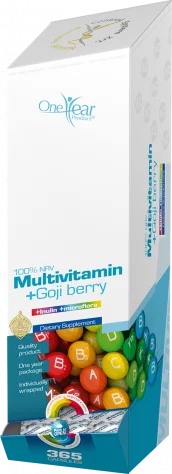
The dietary supplement shown here has been awarded the Value and Quality Grand Prize.
In total, 18 of our products have already earned this prestigious label, a guarantee of quality and that you are using the best possible supplement to maintain your health.